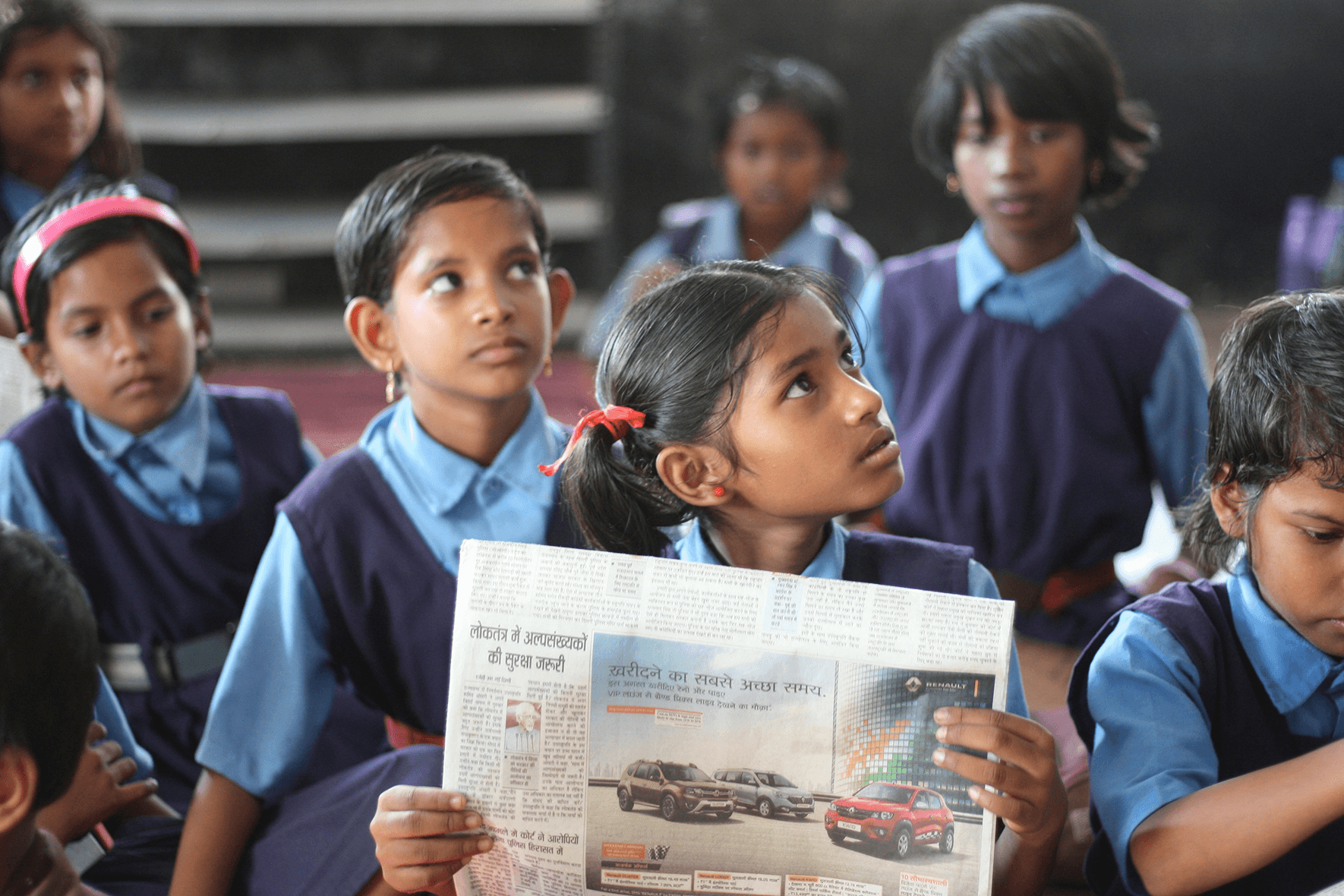
Support can come in many forms
Finding Dyslexia
Noticing the signs and knowing if a child has dyslexia is the first step towards giving them the help they need.
Understanding & acceptance
Recognising dyslexia as a difference rather than a deficiency can help children feel more accepted and valued.
Special teaching
Using special methods to teach children with dyslexia can help them develop skills like fluency and comprehension.
Encouragement
Early success can boost the confidence and motivation of children, making them more likely to work through challenges and enjoy learning.
Emotional Support
Helping children with dyslexia understand and manage their emotions can improve their overall well-being.
Positive approach
Focusing on their strengths and celebrating even their smallest achievements can foster a positive self-image.
Improved relationships
When children feel more confident and capable, they are better equipped to build and maintain healthy relationships.
Collaboration
By working together, parents and teachers can create a positive and supportive learning environment that empowers children to succeed.


Early signs of dyslexia
Specific Learning Disorders can often go undiagnosed, or be misinterpreted as low intelligence or laziness, which is far from the truth. Children with dyslexia can be creative and gifted despite their difficulty with words. Here are some signs that can help parents and educators recognise dyslexia across all ages

Short attention span or hyperactivity
Difficulty completing tasks or listening well
Social struggles, like avoiding others, or trouble understanding body language
Frustration
Low self-esteem or emotional outbursts.
Once your child has a diagnosis of dyslexia from a licensed professional, s/he is entitled to curricular and examination provisions that are mandated by the Board that the school is affiliated to, and by the education department of the state you reside in.